
Remote Patient Monitoring (RPM): Managing Heart Disease in 2026
From Crisis Care to Constant Vigilance
Here’s the catch: RPM isn’t just a convenience. It’s a clinical necessity. With real-time data streaming from living rooms to cardiology dashboards, physicians can spot trouble days or even weeks before a crisis hits. Hospital readmissions drop, emergency visits shrink, and patients gain confidence knowing someone is always monitoring their heart. This is not futuristic—it’s standard care in 2026.
Solving the “Senior Tech Gap”
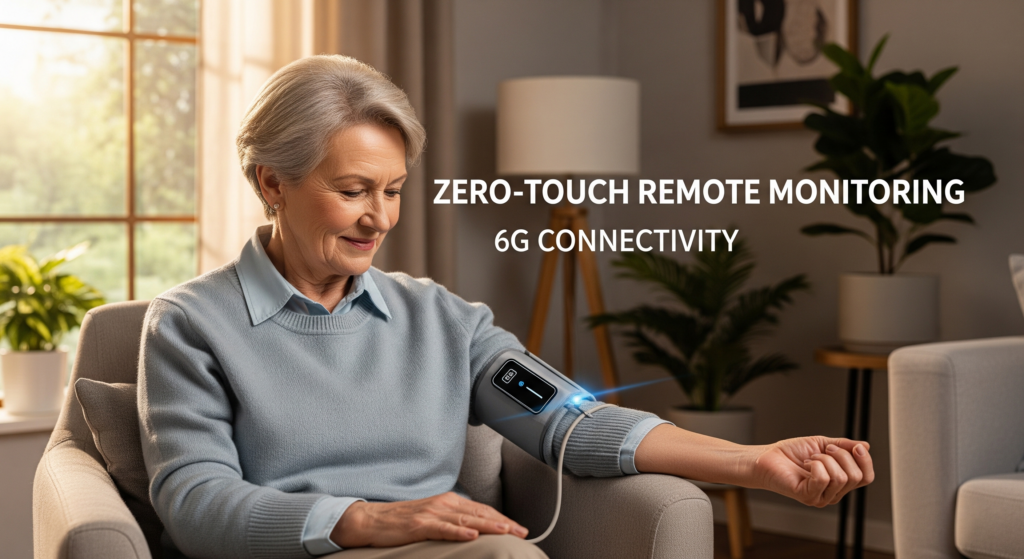
For years, elderly patients struggled with RPM devices. Complex setups, fiddly Bluetooth pairing, and patchy Wi-Fi meant compliance lagged. Fast-forward to 2026: zero-touch, ambient tech is the new normal.
Cellular-Integrated Blood Pressure Cuffs
Forget pairing phones or routers. The best devices now include 6G cellular chips. Wrap it on, press “Start,” and encrypted readings transmit automatically to the provider portal. No apps, no Wi-Fi headaches. The result? 95% compliance for patients over 75. That’s nearly unheard of a decade ago.
AI-Driven Wearable ECGs
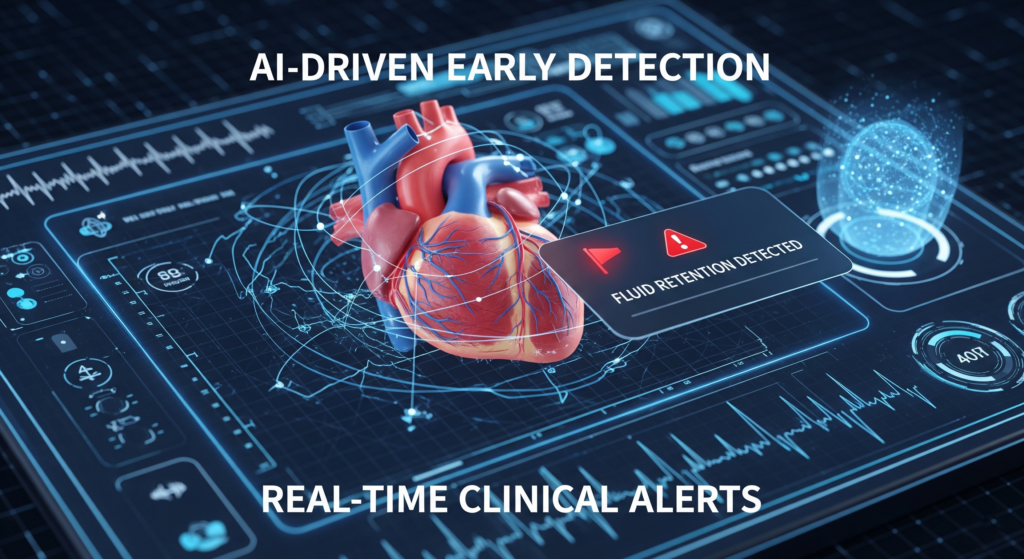
The next-gen patches are thinner than Band-Aids but smarter than ever. Edge-AI sifts through thousands of heartbeats locally, sending alerts only when something abnormal occurs—like Atrial Fibrillation or Premature Ventricular Contractions. This prevents “data fatigue” for clinicians while catching life-threatening arrhythmias in milliseconds.
How RPM Works: From Living Room to Clinic
The 2026 workflow is a closed-loop, HIPAA-compliant system designed for speed and safety.
- Device Provisioning: Patients receive a pre-configured kit. A Smart Hub acts as the secure gateway.
- Continuous Data Stream: Blood pressure, heart rate, oxygen saturation, and weight are measured automatically.
- AI-Anomaly Sifting: Before humans intervene, FDA-cleared AI flags red flags. For example, a 3-lb weight increase in 24 hours triggers immediate alerts for possible fluid retention.
- Clinical Intervention: Nurses or medical assistants respond, adjusting medications via telehealth or instructing diuretic changes—often preventing hospitalizations entirely.
The beauty of RPM isn’t just technology—it’s prevention baked into daily life.
Navigating Medicare Reimbursement in 2026
Say it like it is: CMS now fully acknowledges the value of RPM. A single heart failure hospitalization can exceed $20,000. An RPM program costs far less while preventing complications.
Key CPT Codes
| CPT Code | Description | Requirement |
| 99453 | Device setup & patient education | One-time onboarding fee |
| 99454 | Monthly device monitoring | ≥12 days of data transmission in 30-day period |
| 99457 | First 20 min clinical review | Interactive patient communication |
| 99458 | Additional 20 min review | Add-on for complex management |
| 99490 | Chronic Care Management (CCM) | Often paired with RPM for holistic care |
Here’s what many clinics miss: 99454 vs 99445. Simple telehealth check-ins (99445) don’t count for device monitoring reimbursement. CMS now allows cumulative short interactions to meet the 20-minute threshold—flexibility that can make or break financial viability.
Patient Outcomes: Numbers You Can’t Ignore
Large-scale 2026 studies of over 500,000 heart failure patients paint a clear picture:
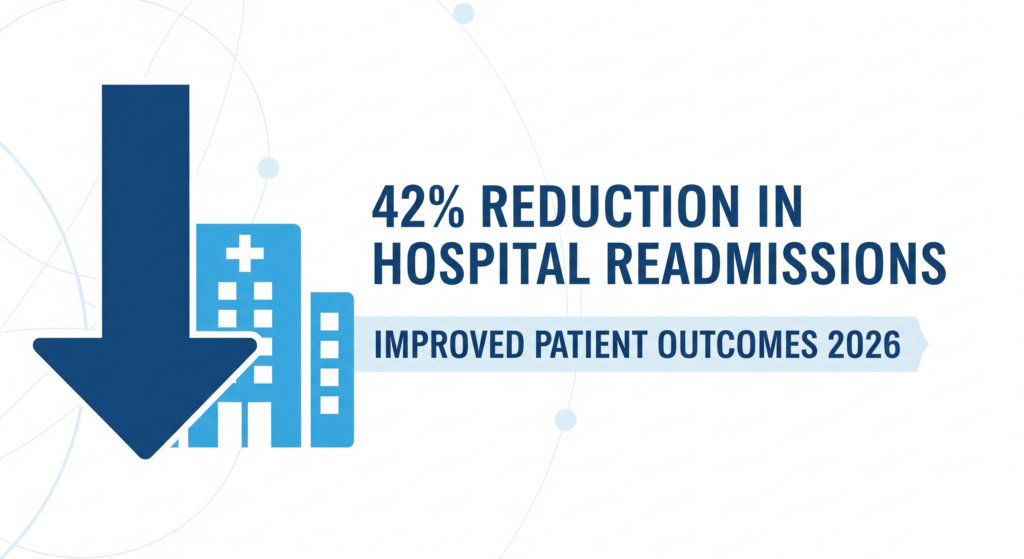
- 42% reduction in 30-day readmissions
- 18% improvement in medication adherence through automated reminders
- Significant decrease in “white coat hypertension,” since treatment decisions rely on weeks of home-collected data, not a single office reading
Beyond numbers, patients gain peace of mind. Knowing a “digital guardian” monitors their heart around the clock reduces stress, improves quality of life, and encourages proactive self-care.
The Clinical Double-Bottom Line
For clinics, RPM is a win-win. Practices can manage larger patient panels with fewer staff while improving outcomes. Automated alerts and AI triage reduce unnecessary human intervention but heighten patient safety.
For patients, the benefit is tangible: fewer hospital visits, earlier interventions, and daily assurance. The living room has effectively become the new critical care unit.
Integrating RPM: Practical Advice for 2026 Providers
Here’s what heart care providers should do now:
- Audit Your Patient Panel: Identify high-risk heart failure and arrhythmia markers.
- Review Technology Vendors: Look for FDA-cleared AI wearables, 6G-enabled blood pressure devices, and HIPAA-compliant platforms.
- Optimize Billing Workflows: Ensure your team distinguishes telehealth vs RPM supply codes to maximize Medicare reimbursement legally.
- Educate Patients: Compliance is everything. Patients must understand device use and alerts.
The clinic that ignores RPM risks falling behind in value-based care, where outcomes and cost savings dictate reimbursement levels.
Conclusion: RPM Is No Longer Optional
In 2026, Remote Patient Monitoring has shifted from experimental to essential. For heart disease patients, it’s a daily lifeline. For providers, it’s the tool that enables efficient, high-quality care.
Think about it: a patient’s home—once a passive recovery space—is now an active, connected care environment, supported by AI, smart devices, and reimbursement-friendly workflows.
Ignoring this trend isn’t just a missed opportunity—it’s a liability. Clinics must integrate RPM, and patients must embrace it, or risk preventable hospitalizations.
Next Steps: Audit your population, select compliant technology, and optimize your billing processes. Patients: inquire about Medicare-covered RPM programs and ensure your providers are monitoring your heart proactively. In 2026, your home truly becomes the most important room in the hospital.