

How to Find a Pro Bono Lawyer in 2026: A Practical Guide to Legal Aid
Facing a legal crisis without funds can feel like a dead end. Whether dealing with eviction, custody disputes, or immigration hurdles, you don’t have to go it alone. Millions of Americans rely on pro bono representation—but navigating the eligibility rules and finding the right fit is key. Discover how to identify legitimate legal aid, verify your eligibility, and secure the professional advocacy you need to protect your rights this year.
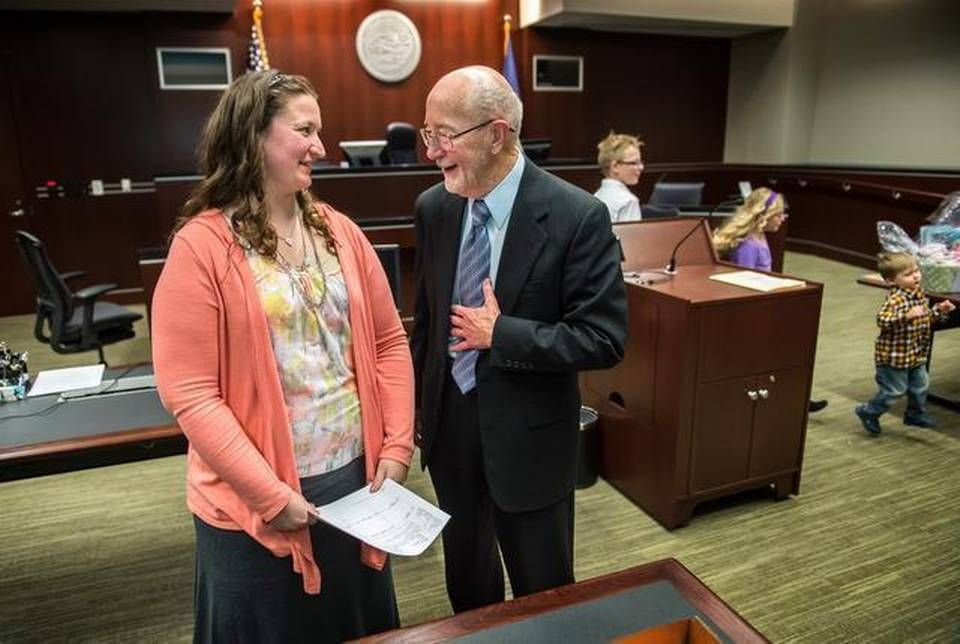
The Reality of Pro Bono Services
It is a common misconception that “pro bono” means any lawyer will take any case for free. In reality, pro bono work is highly specialized. Most attorneys who provide free services are associated with legal aid societies, law school clinics, or specific non-profit organizations.
These organizations prioritize cases where the legal outcome significantly impacts a person’s basic needs—such as:
- Family law (custody, divorce, protection orders)
- Housing and eviction disputes
- Immigration matters
- Employment rights
- Consumer debt issues
- Civil rights cases
Because resources are limited, these programs usually enforce strict financial and situational criteria.
Who Qualifies for a Pro Bono Lawyer?
Most pro bono programs in the United States use the Federal Poverty Guidelines as a baseline. Generally, to qualify, your household income must be at or below 125% to 200% of the federal poverty level. However, income is not the only factor. Many programs give priority to:
- Vulnerable Populations: Seniors, veterans, and individuals with disabilities.
- Safety-Sensitive Cases: Survivors of domestic violence or human trafficking.
- Systemic Legal Issues: Cases that involve complex bureaucratic disputes where individuals lack the resources to defend themselves.
How to Start Your Search Effectively
Don’t waste time calling random private law firms. Instead, use these proven channels to find legitimate assistance:
- Legal Services Corporation (LSC): Use the LSC website to find federally funded legal aid programs in your specific county.
- State Bar Association Directories: Most states have a “Public Resources” or “Pro Bono” section on their Bar Association website that lists clinics and volunteer programs.
- Law School Clinics: Universities with law programs often run clinics where supervised students handle cases under the guidance of experienced professors. They are excellent resources for landlord-tenant and minor civil disputes.
- American Bar Association (ABA) Free Legal Answers: This is a virtual legal advice clinic where you can post questions and receive answers from volunteer attorneys for free.
Avoiding the “Hidden Costs”
While the lawyer’s time may be free, the legal system is rarely entirely cost-free. Even with a pro bono attorney, you may still be responsible for court filing fees or administrative costs. If these fees are a barrier, ask your lawyer about a “Fee Waiver” (In Forma Pauperis). This is a formal application to the court requesting that your filing fees be forgiven due to your financial status.
What to Prepare Before Your Consultation
When you finally connect with a pro bono program, have your documentation ready to prove your financial situation and the urgency of your case. Being organized shows you are a serious client, which increases the likelihood of a busy volunteer attorney taking on your case.
- Financial Proof: Recent tax returns, pay stubs, or unemployment benefit statements.
- Legal Documents: Keep every notice, letter, or court document related to your issue in a single folder.
- Chronology: Write a brief, factual timeline of what happened. Keep it short and neutral.
Next Steps: Taking Action
Finding a pro bono lawyer is a process of elimination and outreach. If you are turned away by one organization, ask them, “Do you know of any other clinics that handle cases like mine?” Most legal aid professionals maintain a network of referrals.
Your legal journey may feel daunting, but justice is not just for those with deep pockets. By focusing on the resources designed for your specific situation and income level, you can find the representation necessary to stand your ground.